
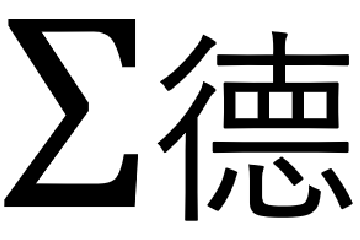
Sigma Te
The Sum of Virtue
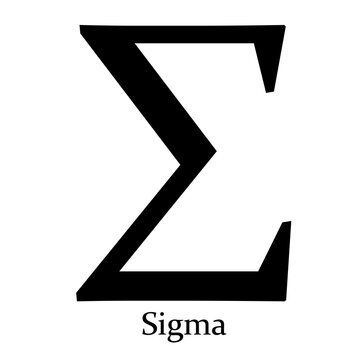
Sigma, the Greek letter “S”, is used in mathematics to represent summation notation.
Sigma also represents Stoicism, the practical system of Greek philosophy we’ll use as the Western foundations of our inquiry.
Finally, in internet-era social theory a “Sigma Male” is one who goes his own way, disregarding both the social demands of Alphas and the submission of betas to seek the highest good.
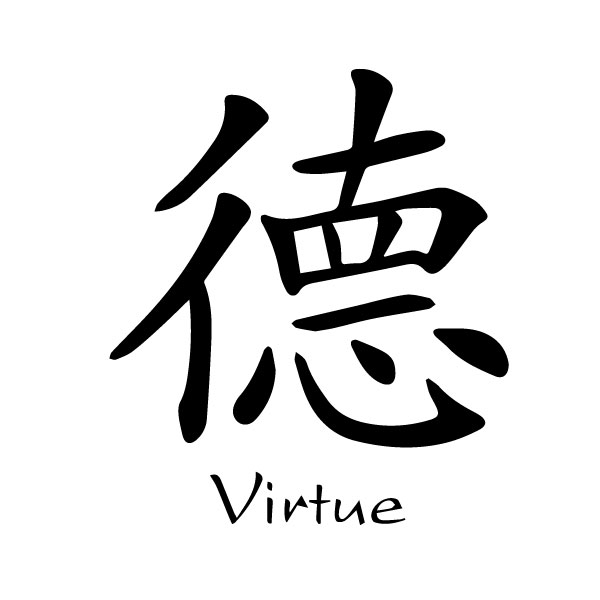
德 or Te is the Chinese character representing Virtue, the second character in the name of the book Tao Te Ching (道德經), the classic of Chinese philosophy written by the ancient sage Laozi.
Te represents the virtue cultivated within by the follower of the path. Each practice leads to development of its correspondent virtue, combining to create a harmonious whole.
Te also evokes the Daoist practice of wu wei or effortless being embodied by the flow state.
Σ德
Taken together, Sigma Te represents the sum of virtue: the ideal character development of a well-rounded, self-realized individual.
It’s the framework we will use for our journey as we cultivate the cardinal virtues of the Western classical tradition, integrated with the heights of Eastern wisdom.
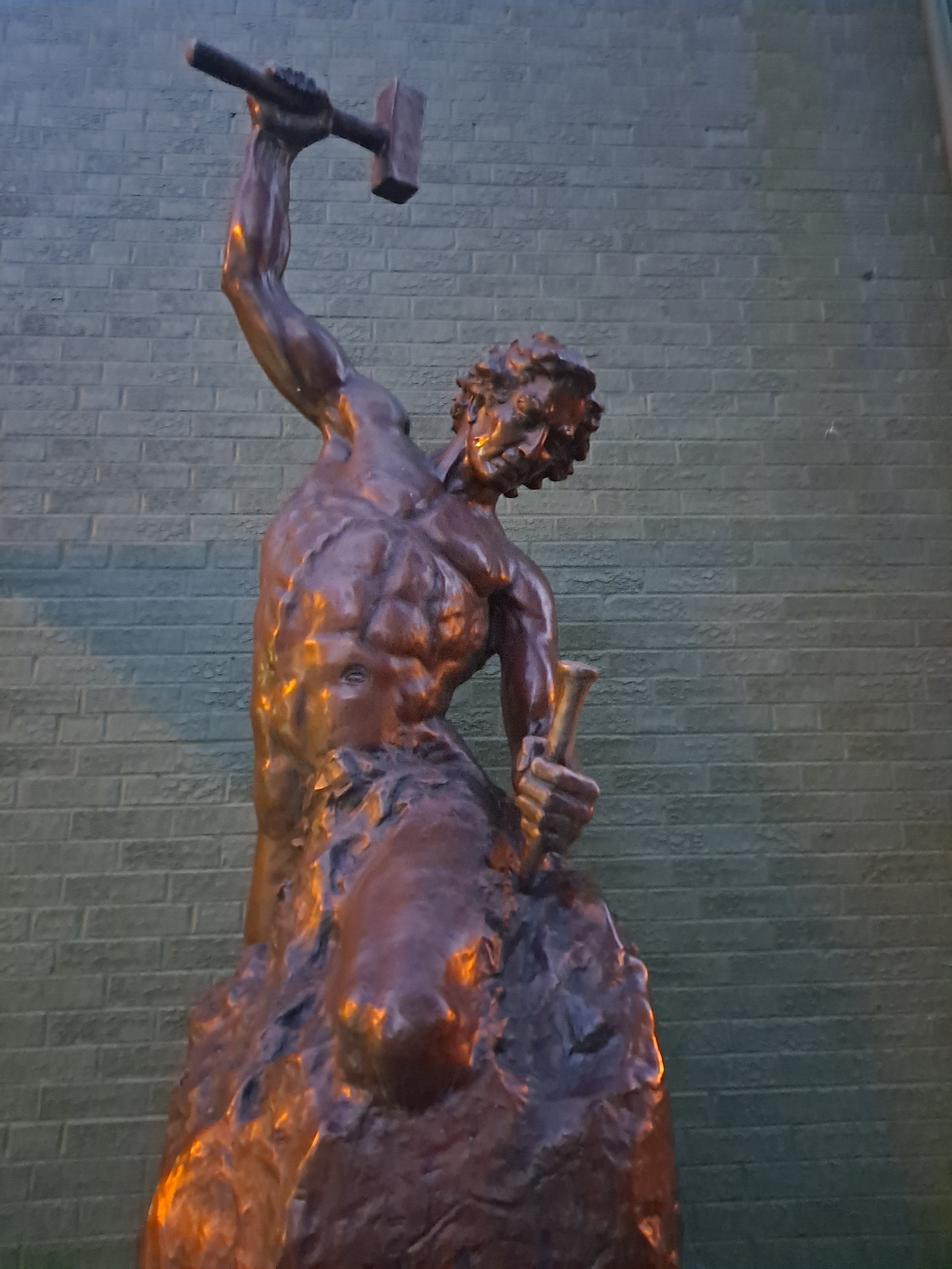
Courage is cultivated through training of the body.
Learn more about our physical training program.
Philosophy is a requisite part of a well-rounded education. Sigma Te introduces some of the classic thinkers needed to forge an informed and functional philosophy.
Learn more about our philosophical investigation.


Typically given as Moderation or Temperance in the Western tradition - true moderation is gained through control over focus and attention, realized through our structured meditation program.
Learn more about our meditative methods and techniques.
Action according to one’s principles is the goal of philosophy, meditation and training. Justice is effortless action in alignment with the highest good, manifest in daily practice through the flow state.
Learn more about our cultivation of flow.


The journey of a thousand miles begins with the first step.
Laozi